At E2W Asia, we believe in the power of connectivity to bridge East and West Asia, fostering understanding and collaboration in an ever-changing world. Our mission is to inform and empower people in East Asia with insights into the strategically important region of West Asia, particularly in the context of the multipolar era we are in today.
Our Services
Against decades of biased and misleading coverage, we transcend the limitations of Western media to deliver comprehensive news coverage and geopolitical analysis. We aim to offer East Asians a deeper understanding of West Asia, a perspective we believe is sorely lacking and crucial for bridging the gap between the two regions. Additionally, we provide geopolitical risk advisory services, aiding businesses and organisations in comprehending and addressing the challenges presented by the region’s political dynamics.
Why 'West Asia'?
The term “Middle East” is a colonial relic that inaccurately positions the region as peripheral to Asia. At E2W Asia, we seek to reframe this narrative by recognising West Asia as an integral part of the broader Asian continent. By reclaiming the term “West Asia,” we aim to highlight the region’s historical and contemporary connections to East Asia and emphasise its rightful place in our collective consciousness.
Symbolising Connectivity and Heritage
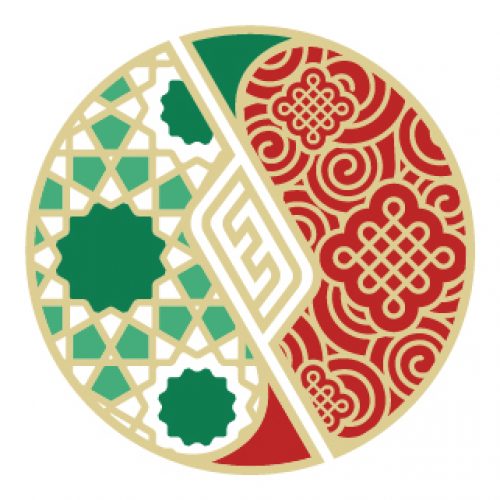
Our logo reflects our commitment to fostering connections between East and West Asia. The design draws inspiration from the shared heritage of geometric art across civilisations in both regions. The intricate Islamic art patterns symbolise the rich cultural heritage of West Asia, with interconnected motifs and seamless patterns representing unity and interconnectedness. The predominant green colour in the logo represents Islam, a prominent faith in West Asia.
On the other hand, the Chinese knot symbolises friendship, connection, and unity, while auspicious cloud patterns symbolise beauty and tranquillity. These motifs are used across East Asia, underscoring the shared cultural heritage and aspirations for harmony and progress.