Syria plans to develop renewable energy projects to alleviate its electricity shortage, said Electricity Minister Ghassan Al-Zamel. The country’s power system has suffered significant damage due to the prolonged civil war, with losses estimated at $120 billion.
“The significant losses and destruction have led to almost a collapse of the power system. We are trying to rebuild what has been destroyed,” al-Zamel said in an interview with Xinhua on Monday. He highlighted that US sanctions have exacerbated the situation, causing power outages lasting two to four hours per day.
The limited power supply has had a ripple effect on critical sectors, including industry, healthcare, education, and water supplies, posing a major challenge to Syria’s recovery from years of crisis. In response, Al-Zamel stated, “We are trying as much as possible to shift towards renewable energy.”
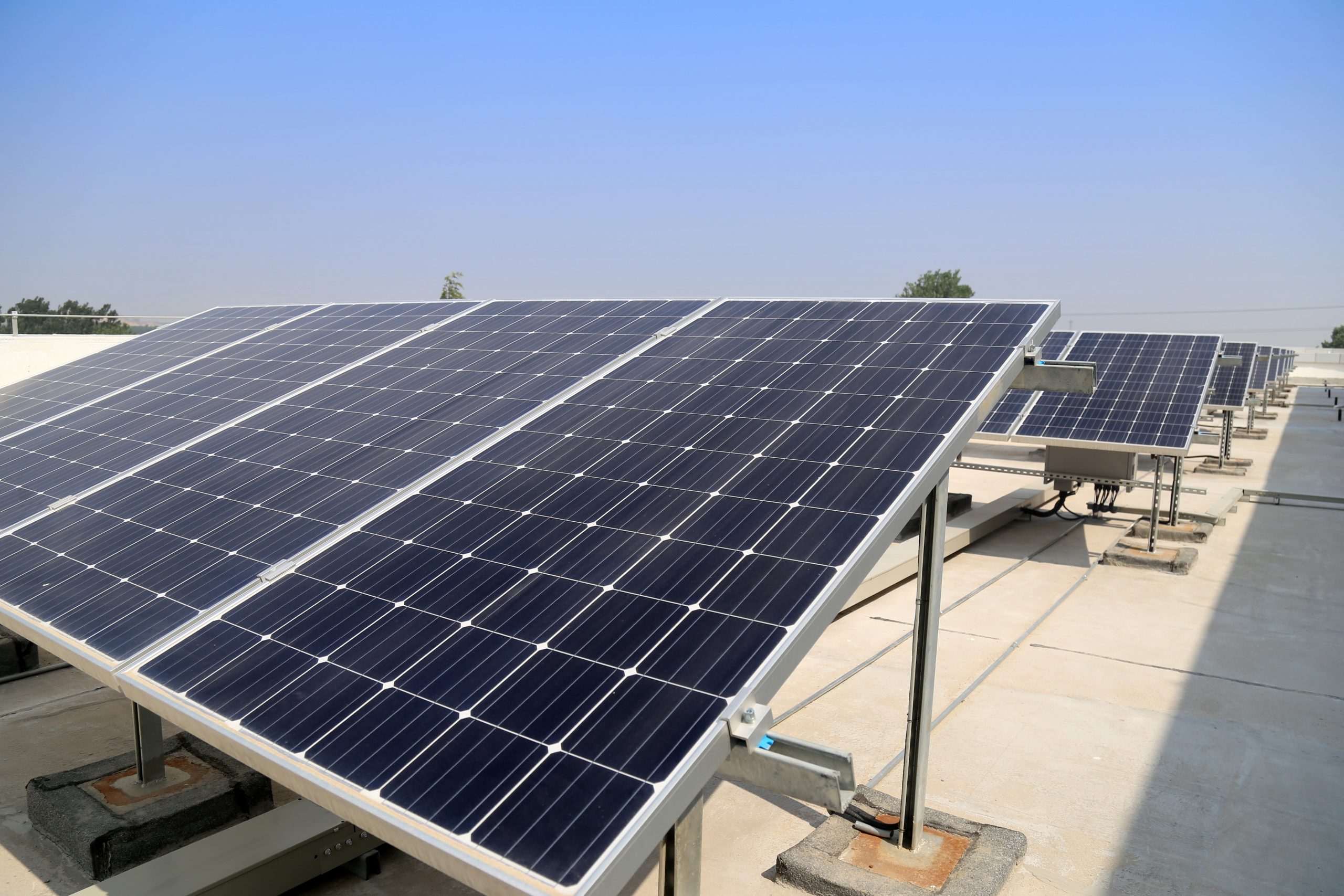
The ministry is outlining a strategy to introduce up to 2,500 megawatts of solar energy and 1,500 megawatts of wind power by 2030. Al-Zamel mentioned that lands in the desert and nearby areas are being allocated for alternative power stations, with 100 megawatts of solar power already connected to the grid.
He expressed hope that wind power stations with capacities of 200 megawatts in the central province of Homs and other areas with wind potential “will be initiated soon.”
Despite US sanctions, which remain “the biggest obstacle to Syria’s reconstruction,” Al-Zamel said the country would “rely on friendly countries” to rehabilitate the power system and Syria at large. He noted that Syria is working with these countries to develop renewable energy projects, expecting their expansion in the coming years.
According to Recharge News, Chinese renewables manufacturers and developers are the obvious candidates to help build out Syria’s capacity. China, which faces unprecedented overcapacity in its clean tech sectors, sees Syria as an attractive new market after it joined China’s Belt and Road Initiative (BRI) in 2022. However, there are concerns about Syria’s ability to finance these expensive projects.